

Antique Oak Beams | Choosing the Right Beam for Your Project
Inside the Old Oak Collection vol. 8
Antique oak beams bring a sense of warmth, scale and history into architectural homes. Reclaimed from historic European structures, each piece carries its own aged grain, worn edges, natural cracks, saw marks and tonal variation.
Whether used as ceiling beams, exposed structural features, box beams, beam facings or feature timber, these pieces add depth and character in a way new timber cannot easily replicate.
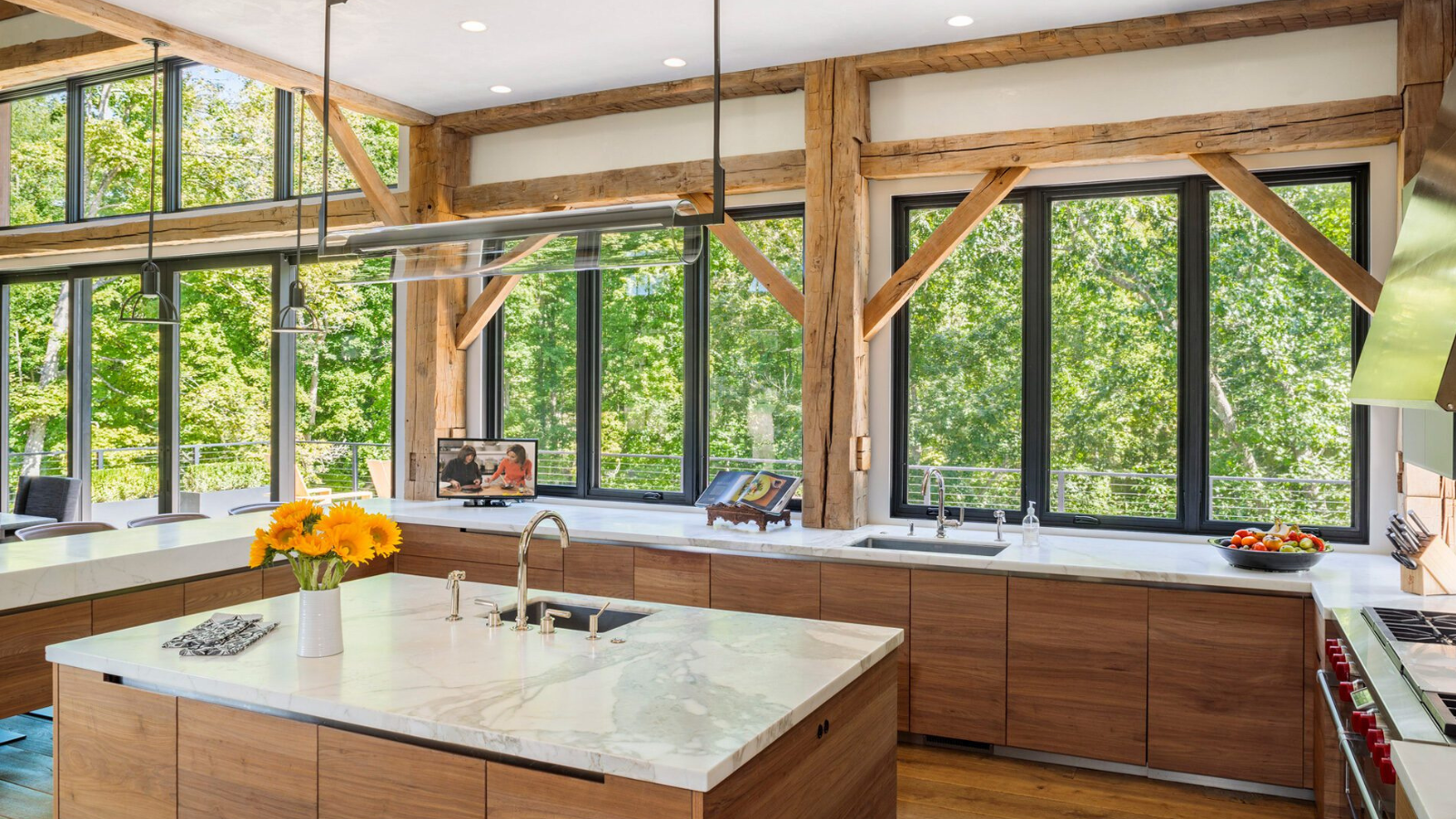
Choosing the right beam depends on the project, the finish you want to achieve and how much original character you would like to show. Some projects call for bold, heavily aged beams with visible texture and movement, while others suit cleaner, more refined sections that still carry the quiet strength of reclaimed oak.
Ceiling Beams
Ceiling beams are a beautiful way to add warmth and structure to an interior. Whether used across a kitchen, living area, hallway or high ceiling, reclaimed oak ceiling beams help define the space while adding texture overhead. With their aged surface, natural variation and visible grain, these boards bring depth and character to both traditional and contemporary homes.
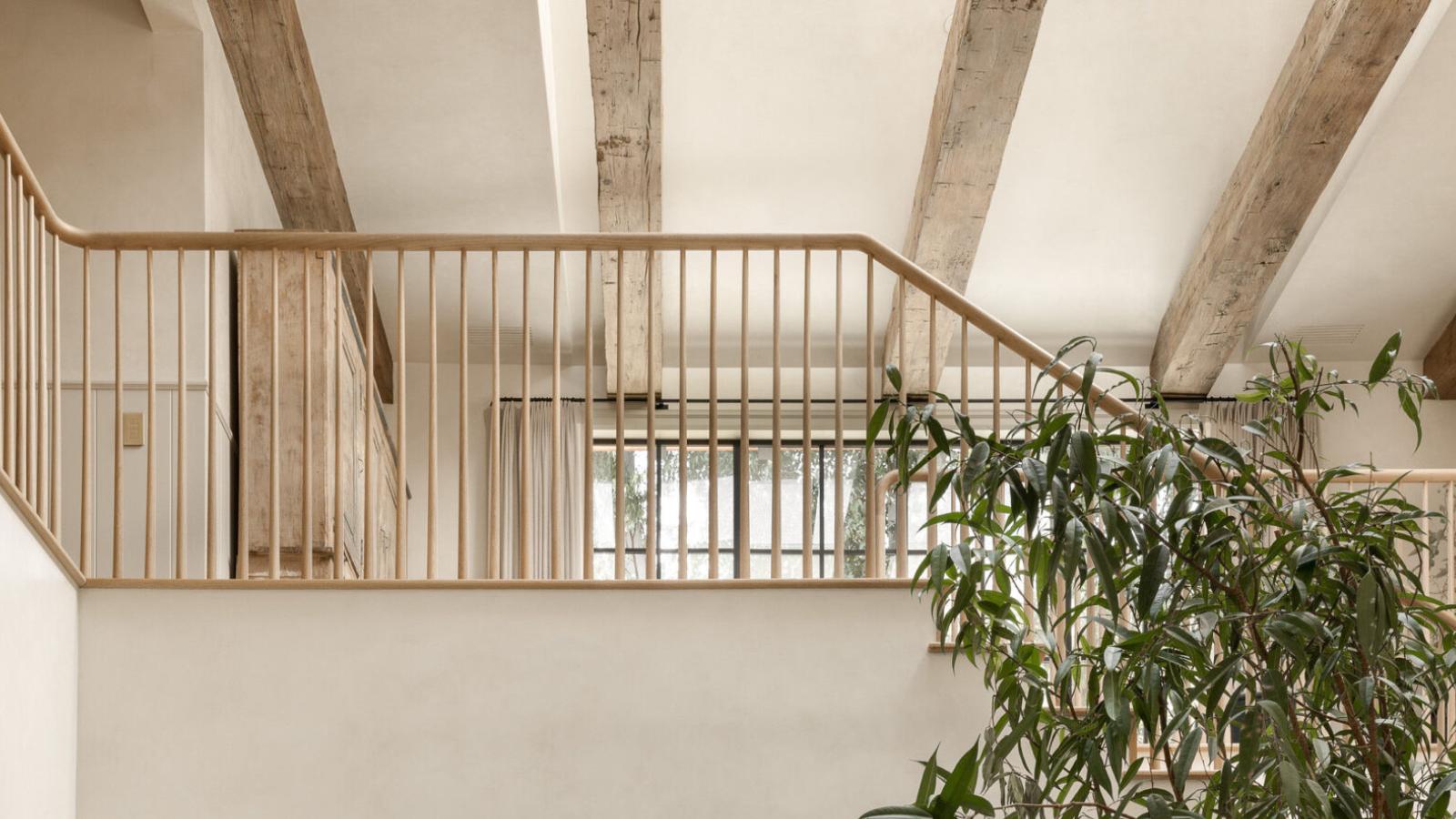
Box Beams
Box beams offer the look and scale of solid antique oak while allowing for a lighter and more flexible installation. They can be used to wrap steel, conceal services or create the appearance of substantial timber beams where a full solid beam is not required.
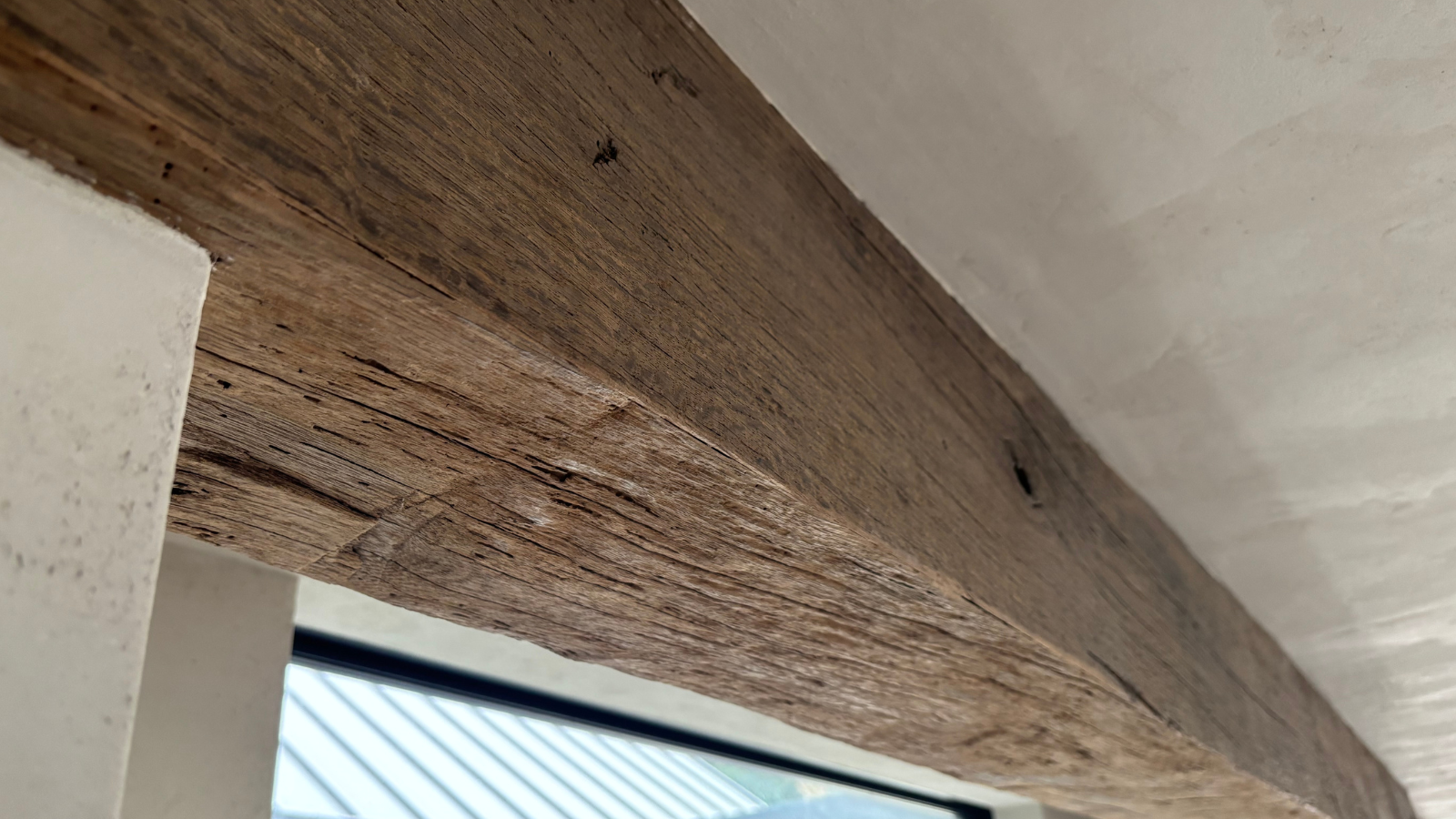
Our box beams are carefully made so the joins are virtually invisible, allowing the finished piece to read as one solid section of oak. Builders and clients are often amazed by how authentic they look once installed, with many unable to see the joins at all. This gives the appearance of a genuine solid antique beam, while offering greater flexibility for modern builds.
Beam Facings
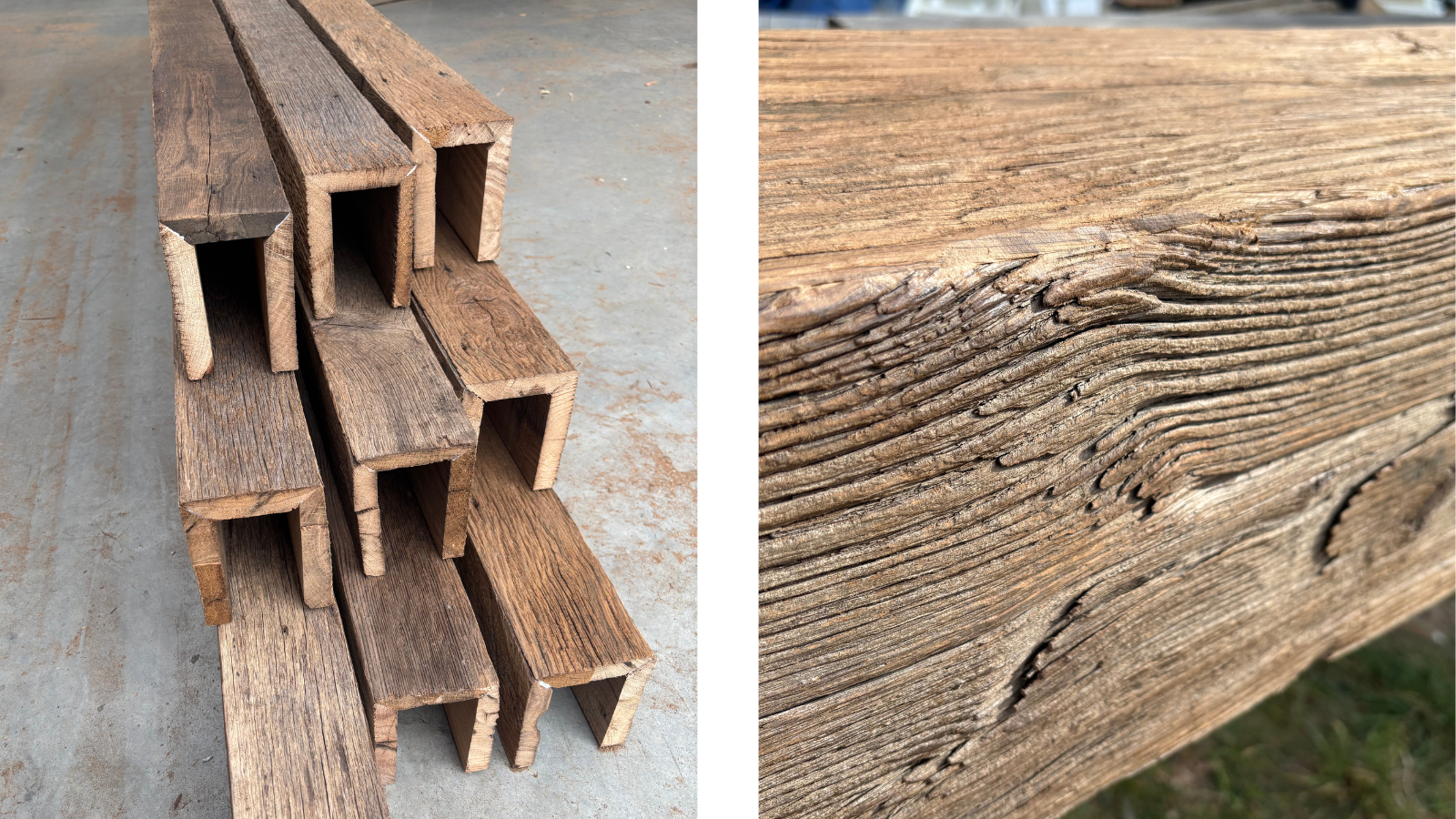
Beam facings are ideal when you want to introduce the look of reclaimed oak onto an existing structure.
Rather than creating a full beam form, facings are used as a decorative oak surface, applied to the visible face of an existing beam, lintel, wall edge or structural feature. This makes them a practical option for renovations, where the original framework can remain in place while gaining the warmth, texture and aged character of antique oak.
They are also well suited to architectural interiors where only one or two visible faces are required, allowing reclaimed oak to be used as a feature detail without the need for a full solid beam or box beam construction.
Beam Finishes
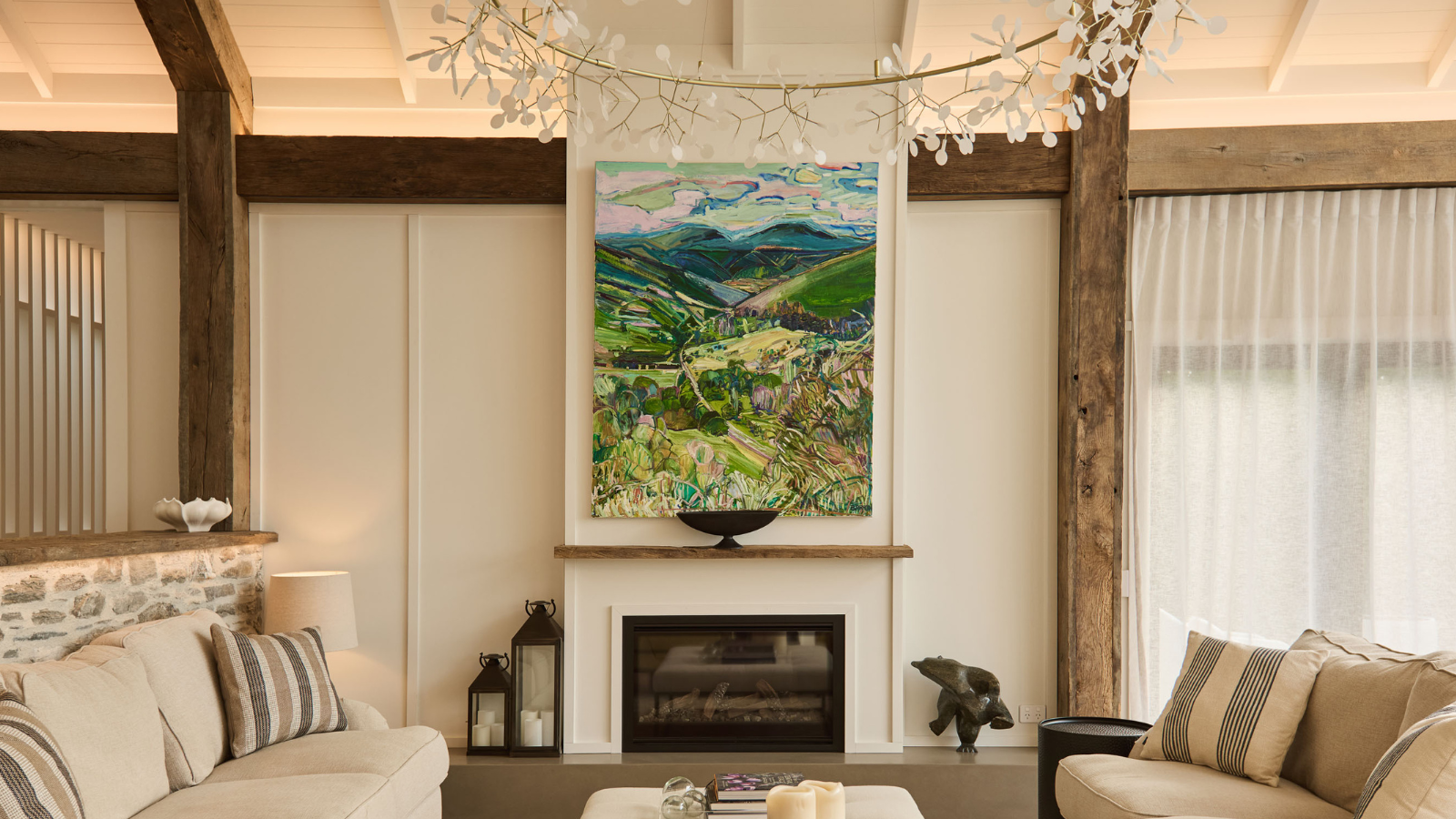
Antique oak beams can be selected and finished in different ways depending on the look of the project.
Some pieces are chosen for their original aged surface, with visible texture, worn edges, cracks, saw marks and natural colour variation. These beams carry the strongest sense of age and are well suited to spaces where the timber is intended to be a main feature.
A band-sawn finish is also available, creating a more even surface while still retaining the depth and character of reclaimed oak. This can work well in contemporary interiors, where a cleaner line is needed without losing the warmth and texture of antique timber.
Other beams can be lightly cleaned, brushed or refined to create a softer finish while still retaining the character of reclaimed oak.
The finish comes down to the style of the home, the position of the beam and how much original texture you would like to show.
Bringing Character into the Home
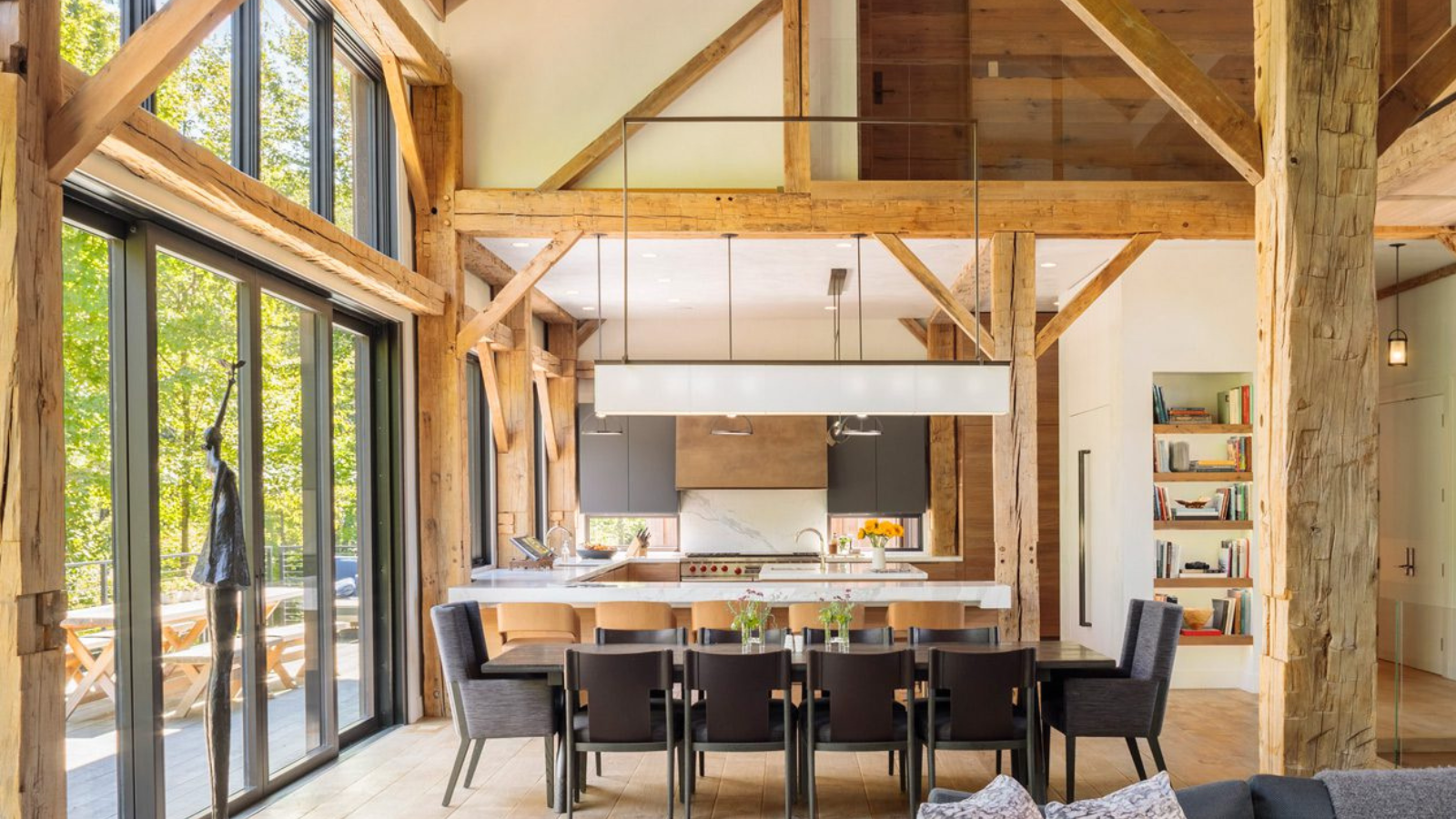
Whether used overhead, wrapped around steel, added as a facing or chosen as a feature within the home, antique oak brings warmth, depth and history to a space. Each beam carries its own aged surface, grain, worn edges and tonal variation, creating a finish that feels established, timeless and full of character.
Choosing the right beam comes down to the project, the look you want to achieve and how much original texture you would like to show. From heavily aged sections to more refined finishes, reclaimed oak can be selected to suit both traditional and contemporary architectural homes.