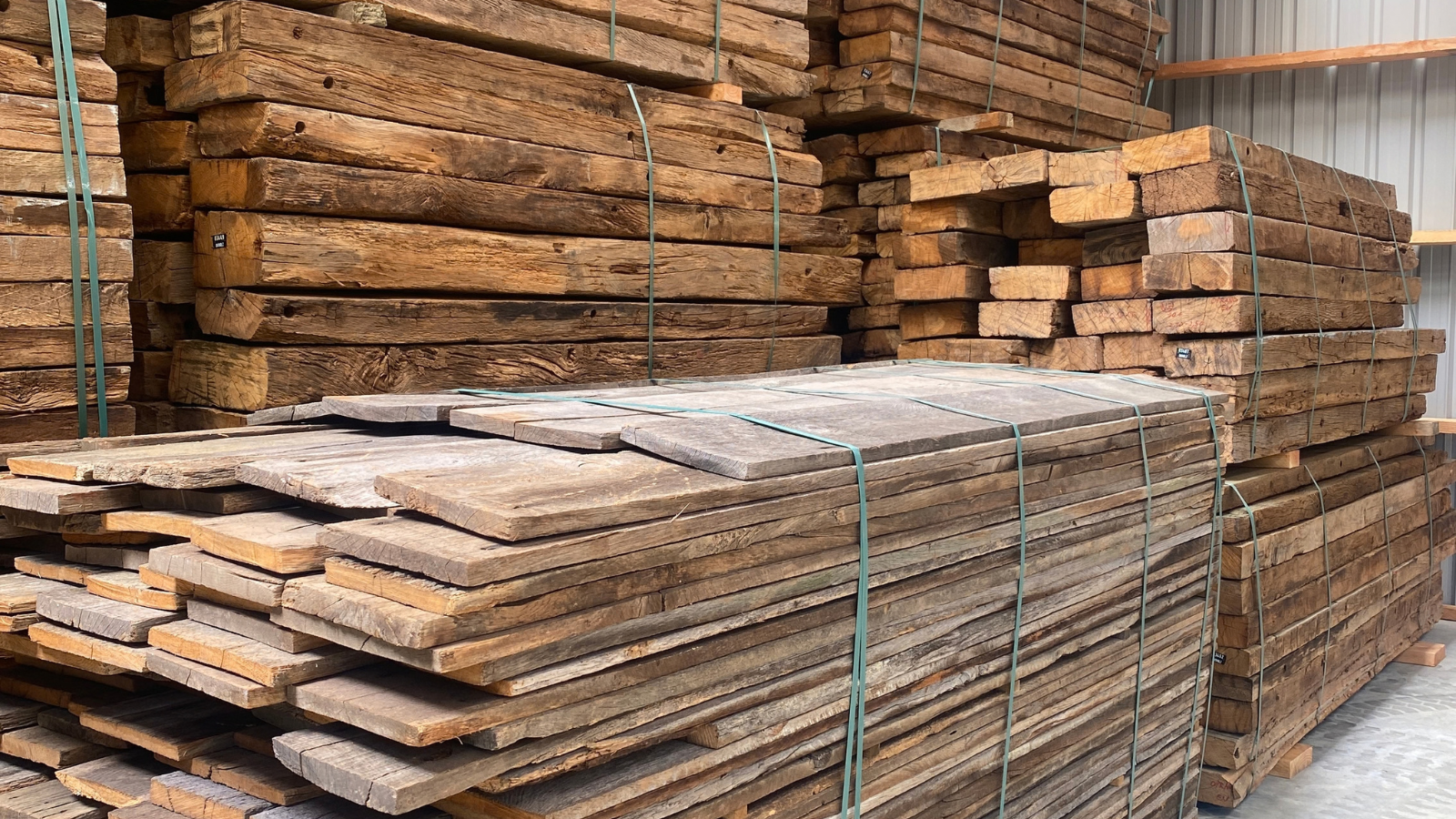
Inside the Old Oak Collection vol. 11
Reclaimed oak is naturally individual. Dimensions, colour, surface character and signs of previous use vary from one piece to another, so it is helpful to consider the timber early in the design process.
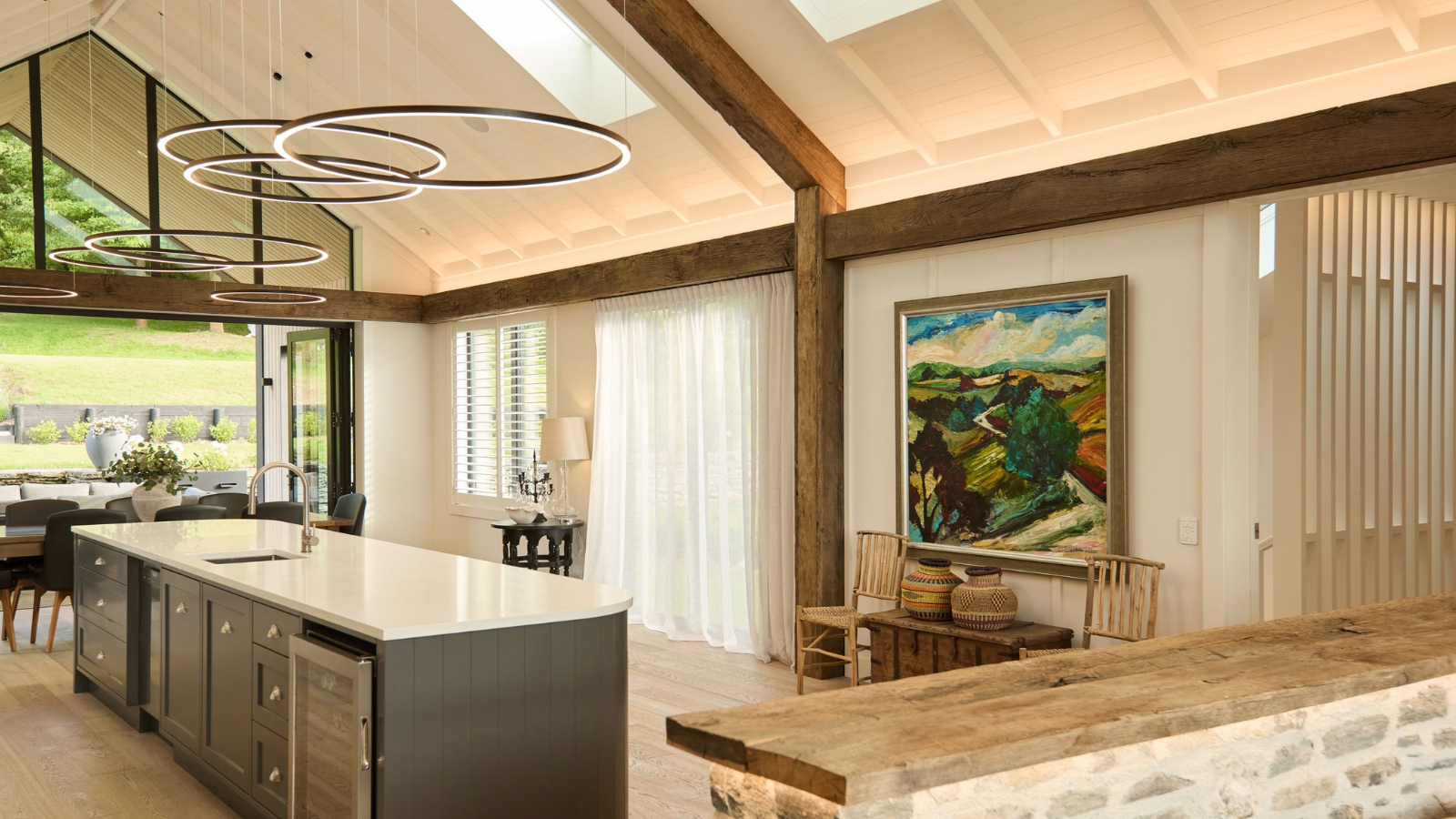
Start with the application
Reclaimed oak can be used for solid beams, box beams, beam facings, wall and ceiling linings, exterior cladding, fireplace mantels, joinery and furniture.
Each application has different requirements. A long ceiling beam, for example, calls for a different piece of timber than a mantel, wall lining or piece of furniture. Knowing where and how the oak will be used helps us select timber with the right size, character and surfaces for the project.
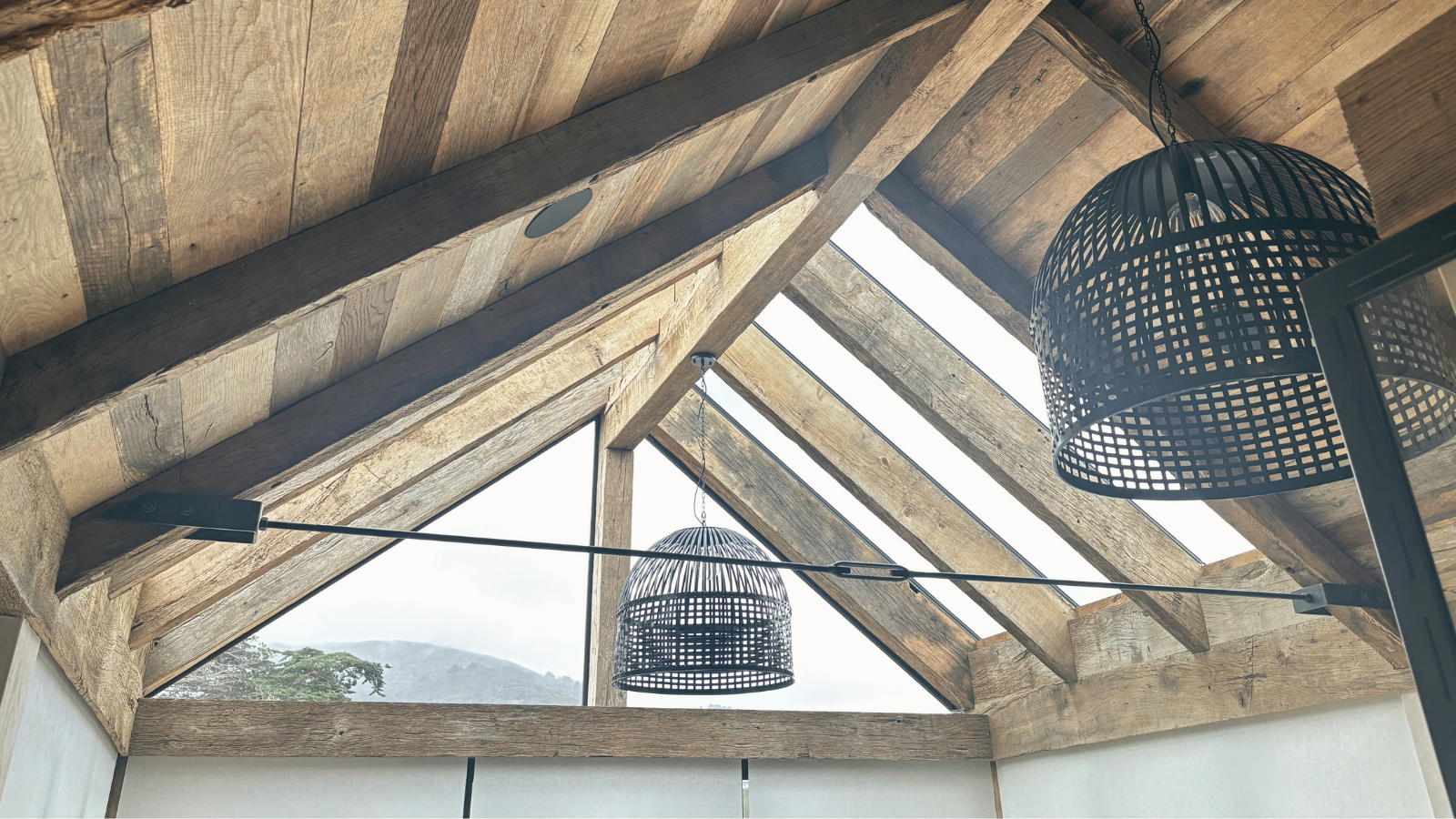
Consider the dimensions
The size and length required will help determine what is possible with the timber available. Provide the finished width, height or thickness, length and quantity wherever possible.
For box beams and beam facings, we also need the dimensions of the existing beam or structure they will cover. Plans, elevations and photographs can help us understand the project and provide suitable options.
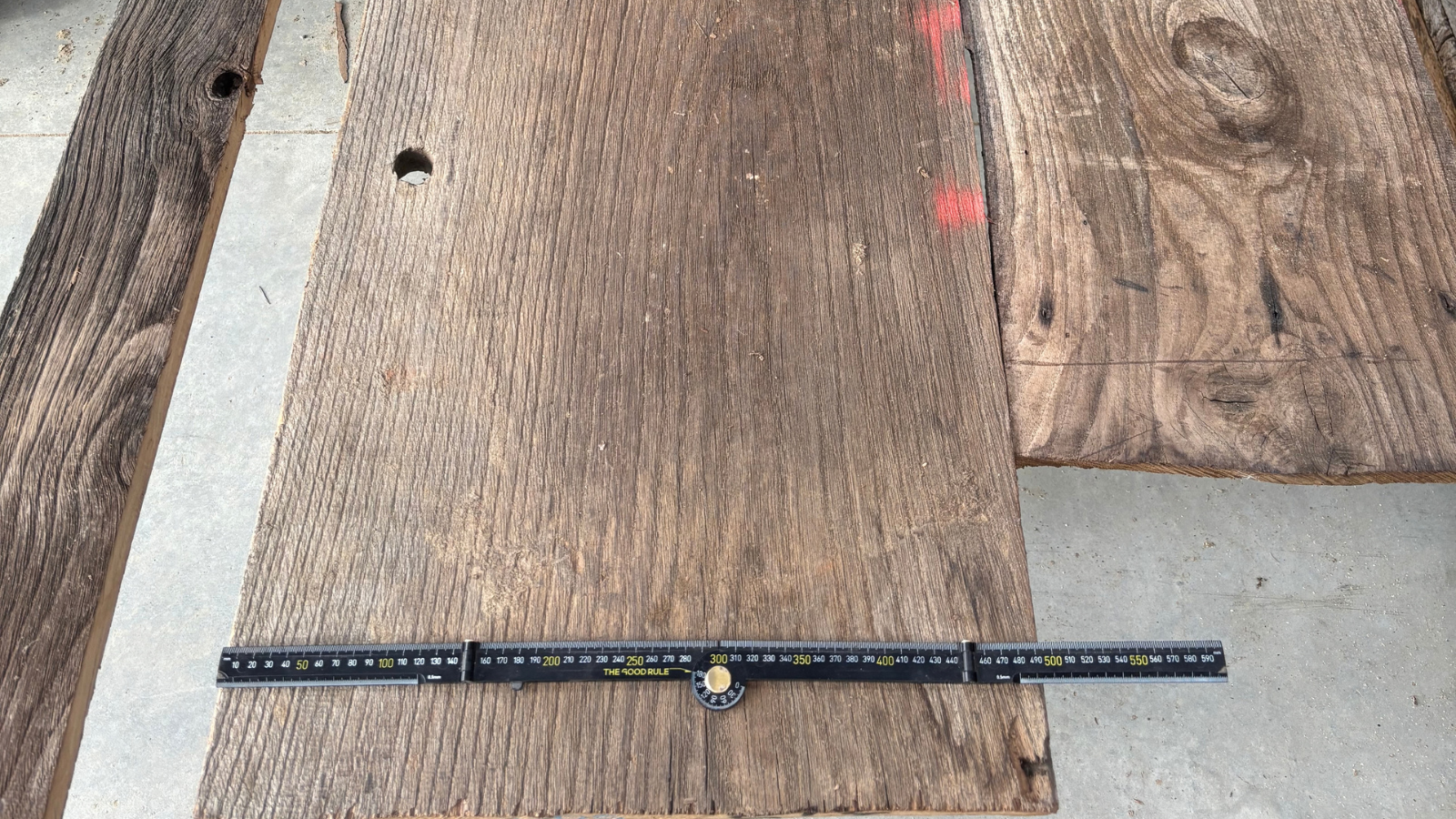
Identify the visible faces
Consider which surfaces will be seen once the timber is installed. A ceiling beam may be visible from three sides, while a mantel may require character across the front and top.
This helps us select and mill the timber while retaining the original surface where it will have the greatest impact.
Choose the finish
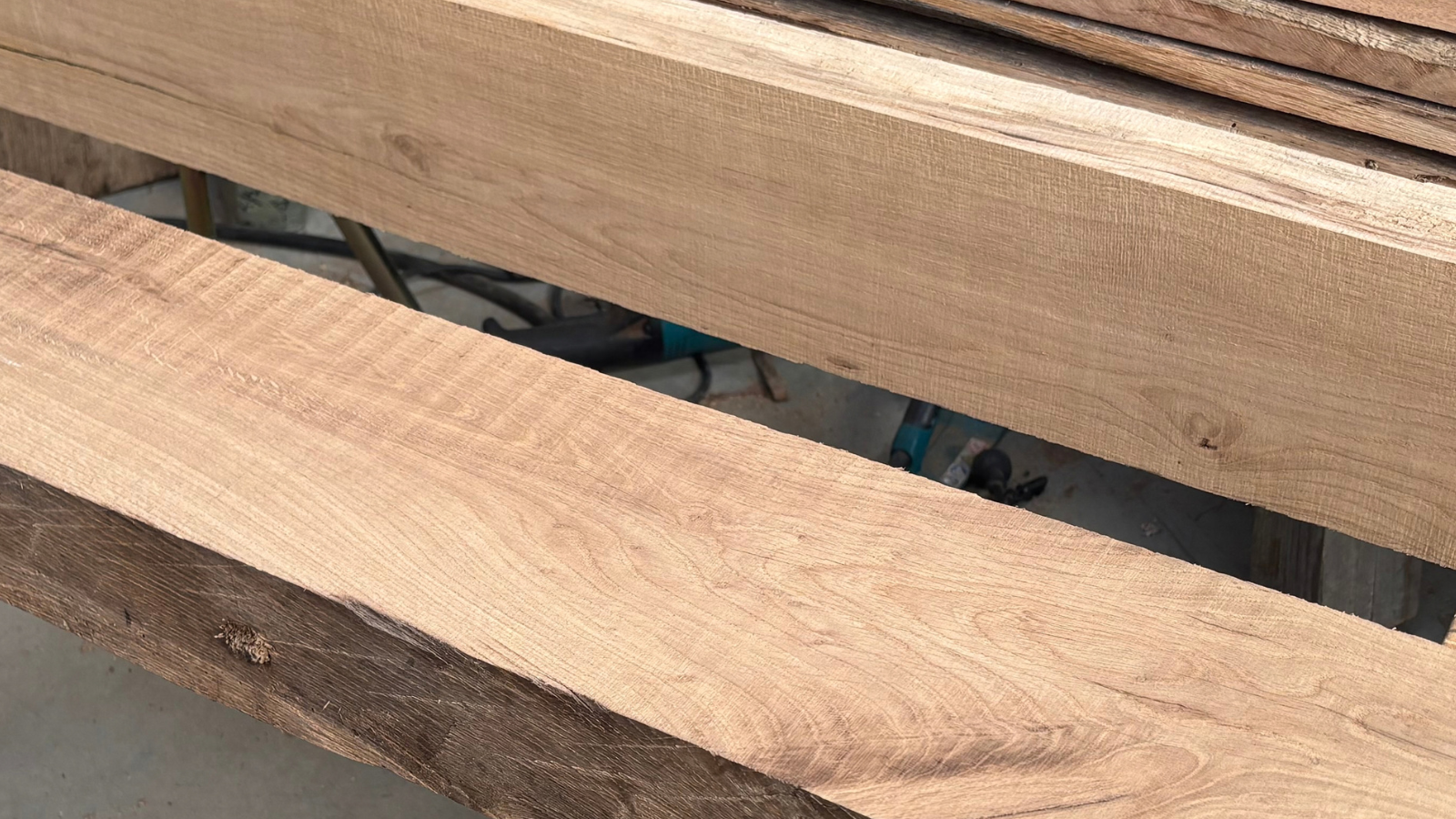
Our reclaimed oak is available in original rustic, band-sawn and dressed finishes.
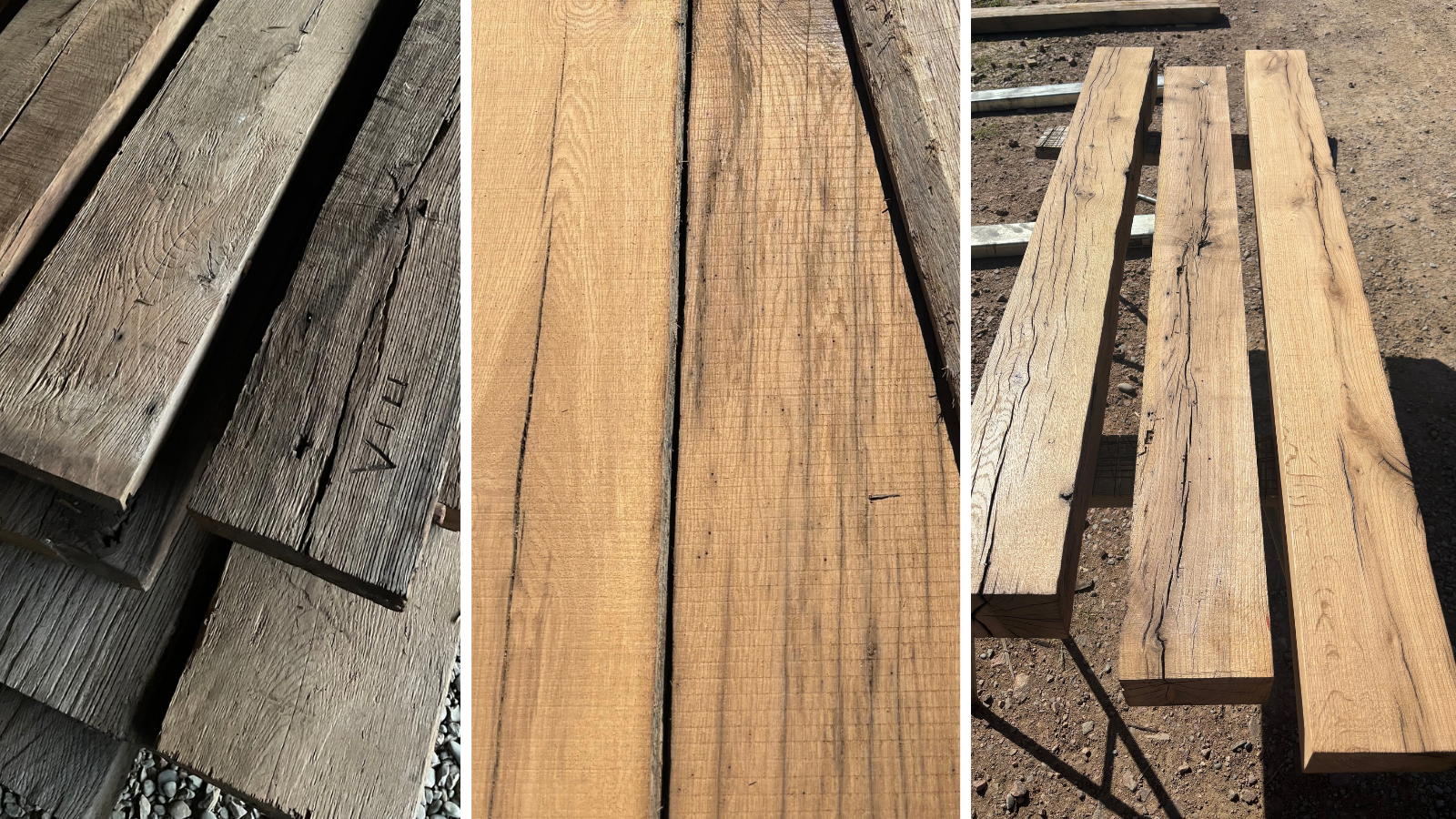
Original rustic retains the natural weathering and patina of the timber. Band-sawn reveals a fresh surface with fine saw marks, while dressed oak provides a cleaner, smoother finish. Natural variation and features such as knots, cracks and peg holes may remain with any finish.
Allow for natural variation
Tonal variation, worn edges, knots, cracks, peg holes, old joints and hand-tool marks are all part of authentic reclaimed oak.
Samples provide a useful indication of colour and finish, but no two boards or beams will be identical.
Consider availability and timing
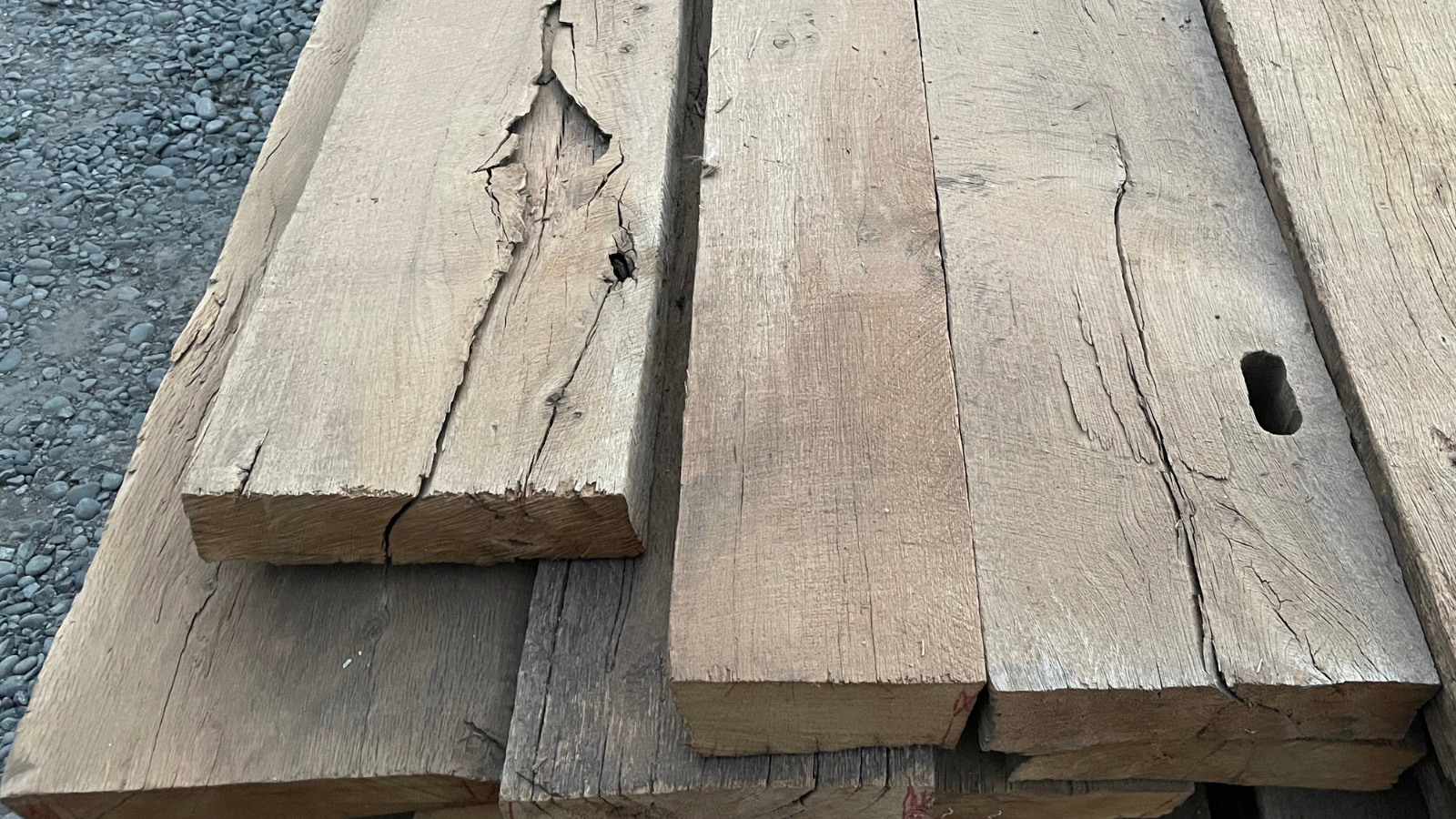
Every piece of reclaimed oak is different, and some sizes and quantities can be harder to source than others. If your project requires long beams, large sections or extra wide boards, it is best to talk to us early.
Send through your dimensions, quantity, preferred finish, location and project timeframe, along with any plans or photographs you have. We can then discuss the available options and provide samples if required.