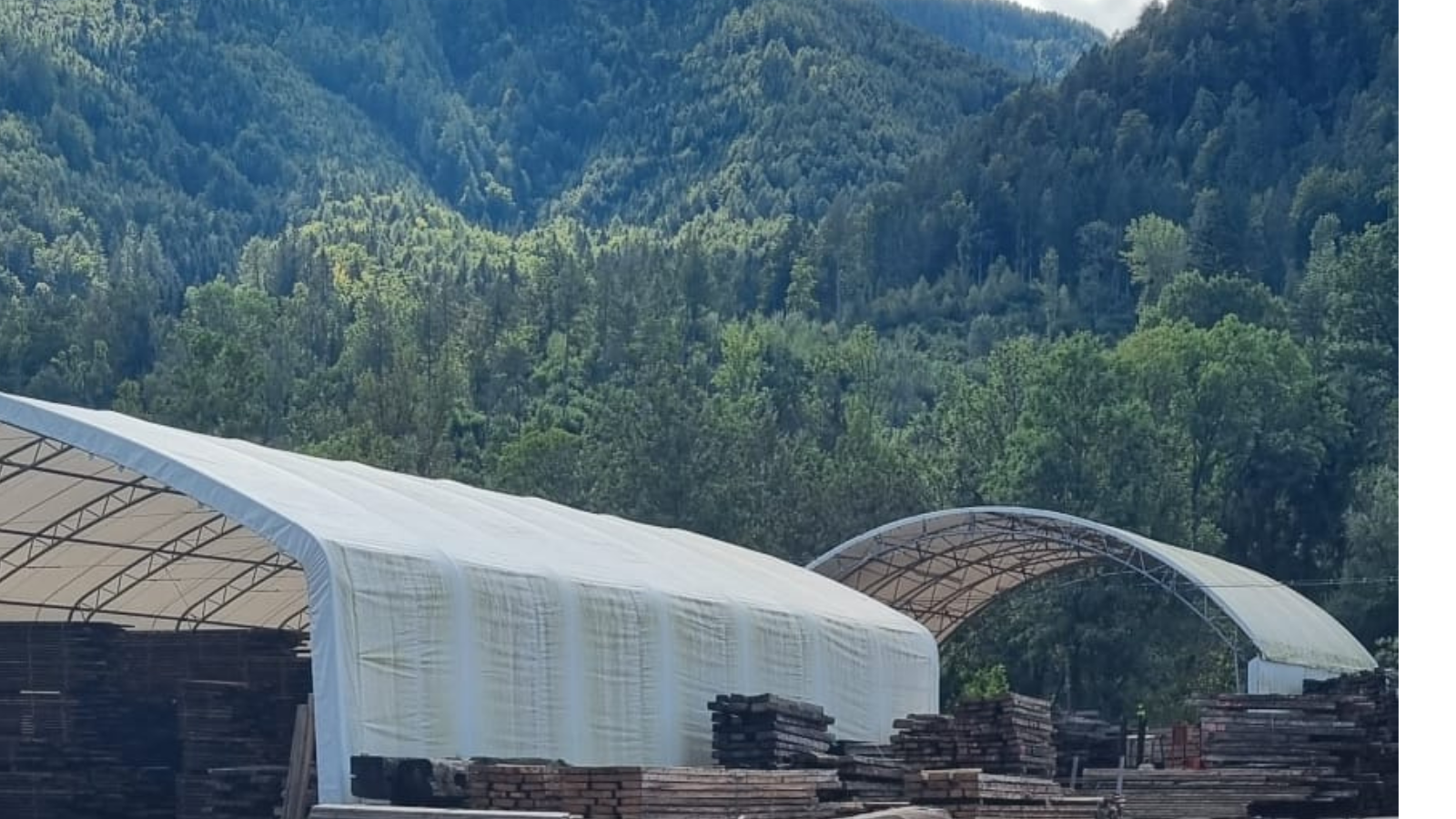
From Old Buildings to New Homes
Inside the Old Oak Collection vol. 10
The history of reclaimed oak can often be seen in the timber itself.
Peg holes, old joints, hand-hewn axe marks, worn edges and fixing holes can all provide clues to how a piece was worked or used in the past.
Sometimes those details also reveal that the timber has already had more than one life.
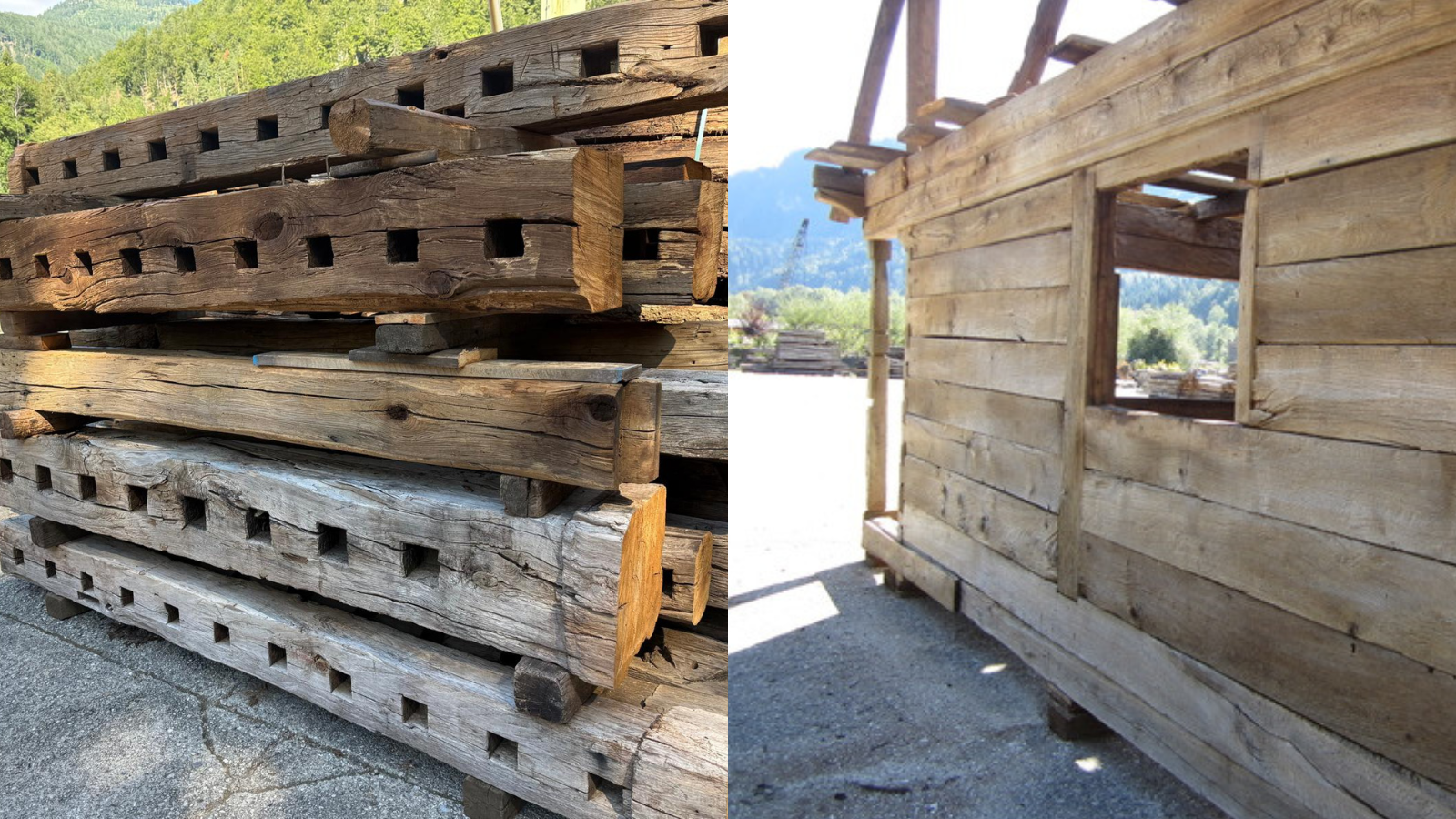
Signs of Previous Use
Large round peg holes and mortises are common in old structural oak, where traditional timber joints were secured with wooden pegs. Notches, nail holes and fixing marks can be evidence of later alterations or previous uses.
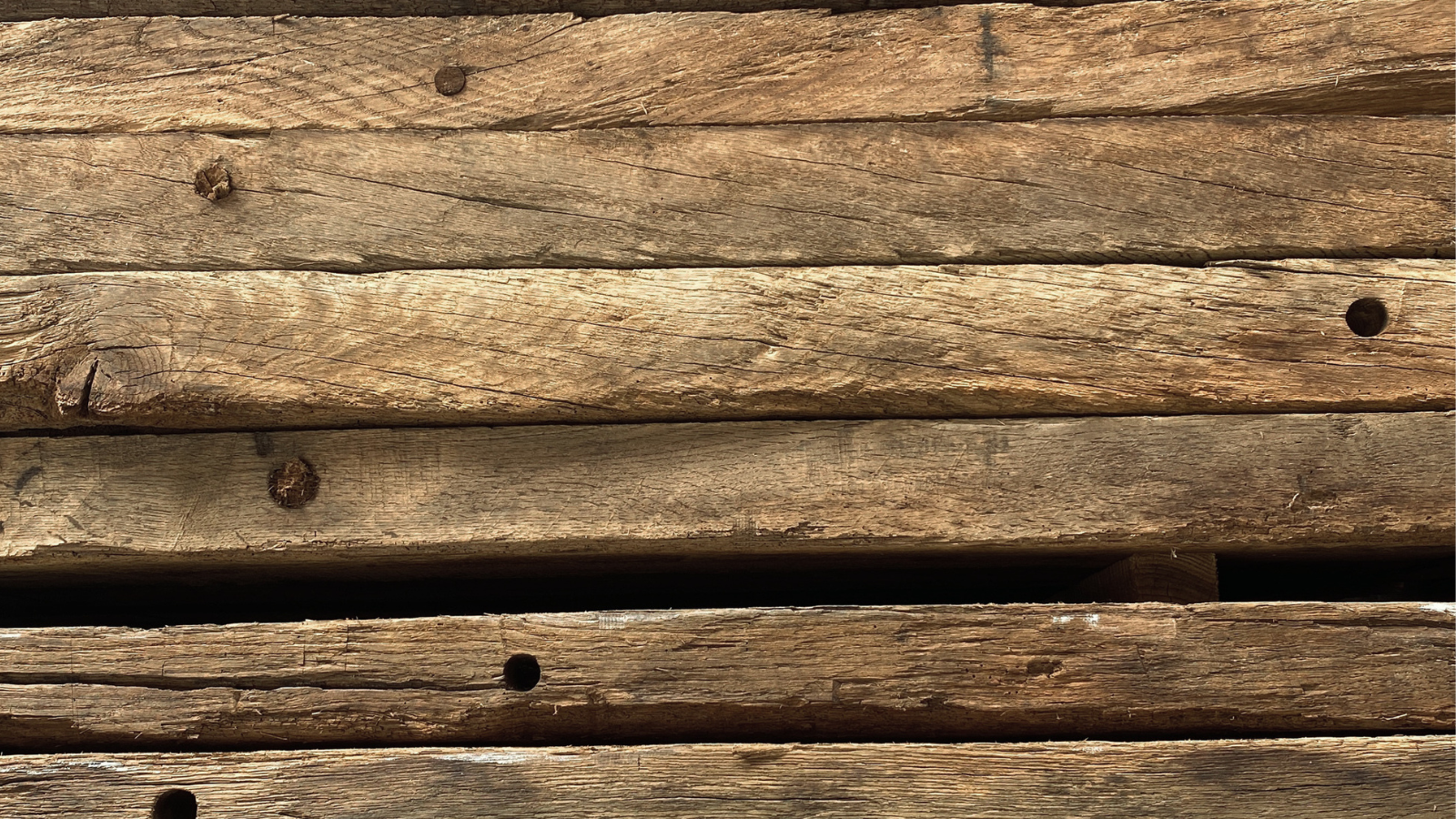
Some older pieces also retain hand-hewn surfaces, with axe or adze marks still visible from the way the timber was originally shaped. Other pieces show historic saw marks, weathering and wear accumulated over time.
Not every mark can be identified with certainty, but together these features provide a visible record of how the timber has been worked and reused.
One Piece of Timber, Several Lives
Old timber wasn't always discarded when a building was altered or its original use came to an end. It could be removed and used again for something entirely different.
We see evidence of this in the oak that comes through our yard.
One recent piece still had an old keyhole visible in its face. It had originally been a door before later being reused as a weatherboard on a house.
Now it has come to us and is being made into stairs.
Three different uses, all within the same piece of oak.
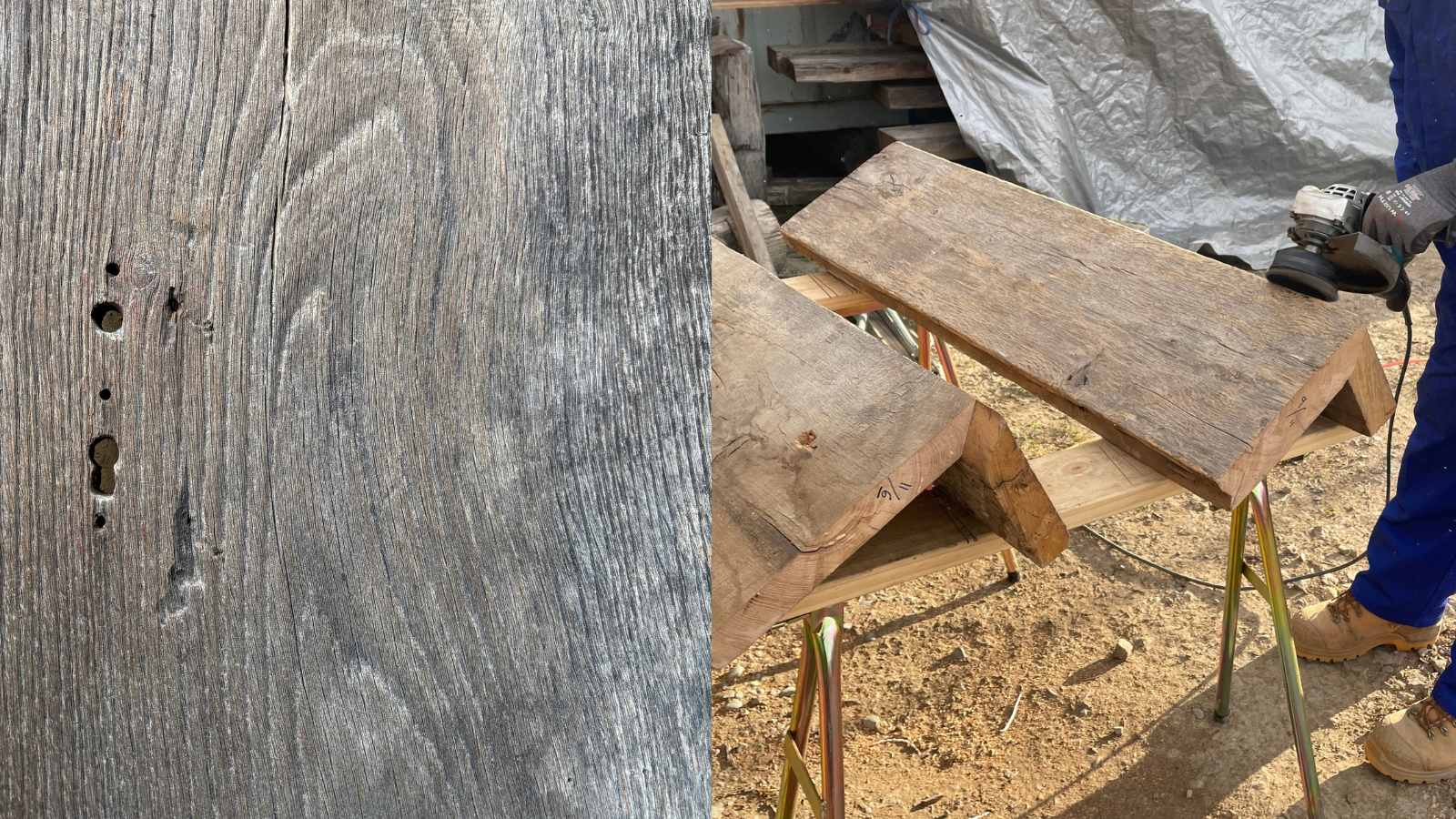
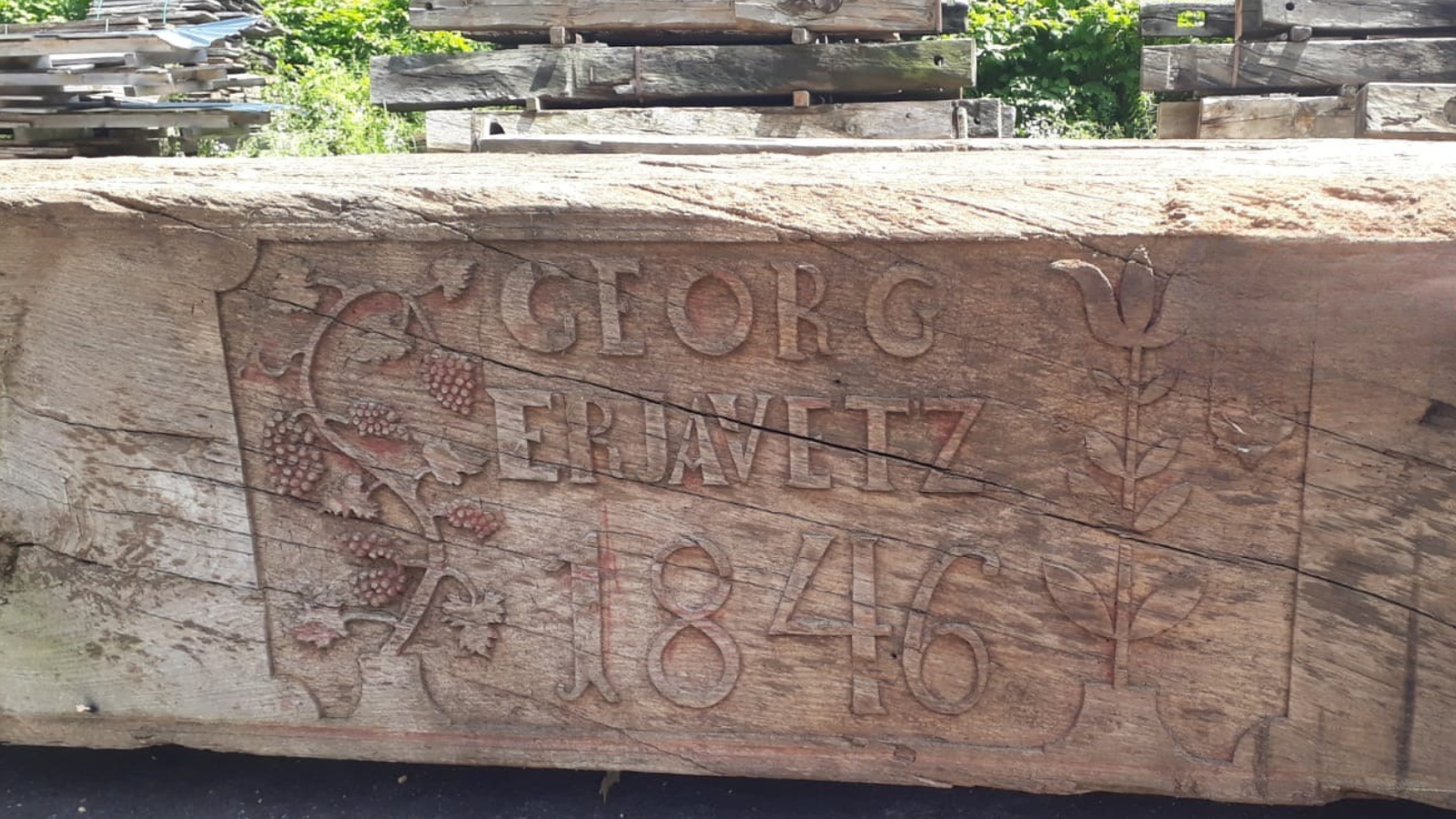
Occasionally we also encounter more unusual evidence of the timber's past, including embedded metal, wartime damage and dates carved into the oak, some dating back to the 1700s and 1800s.
Reworking, Without Erasing
When reclaimed oak is prepared for a new project, not every sign of its previous use is removed.
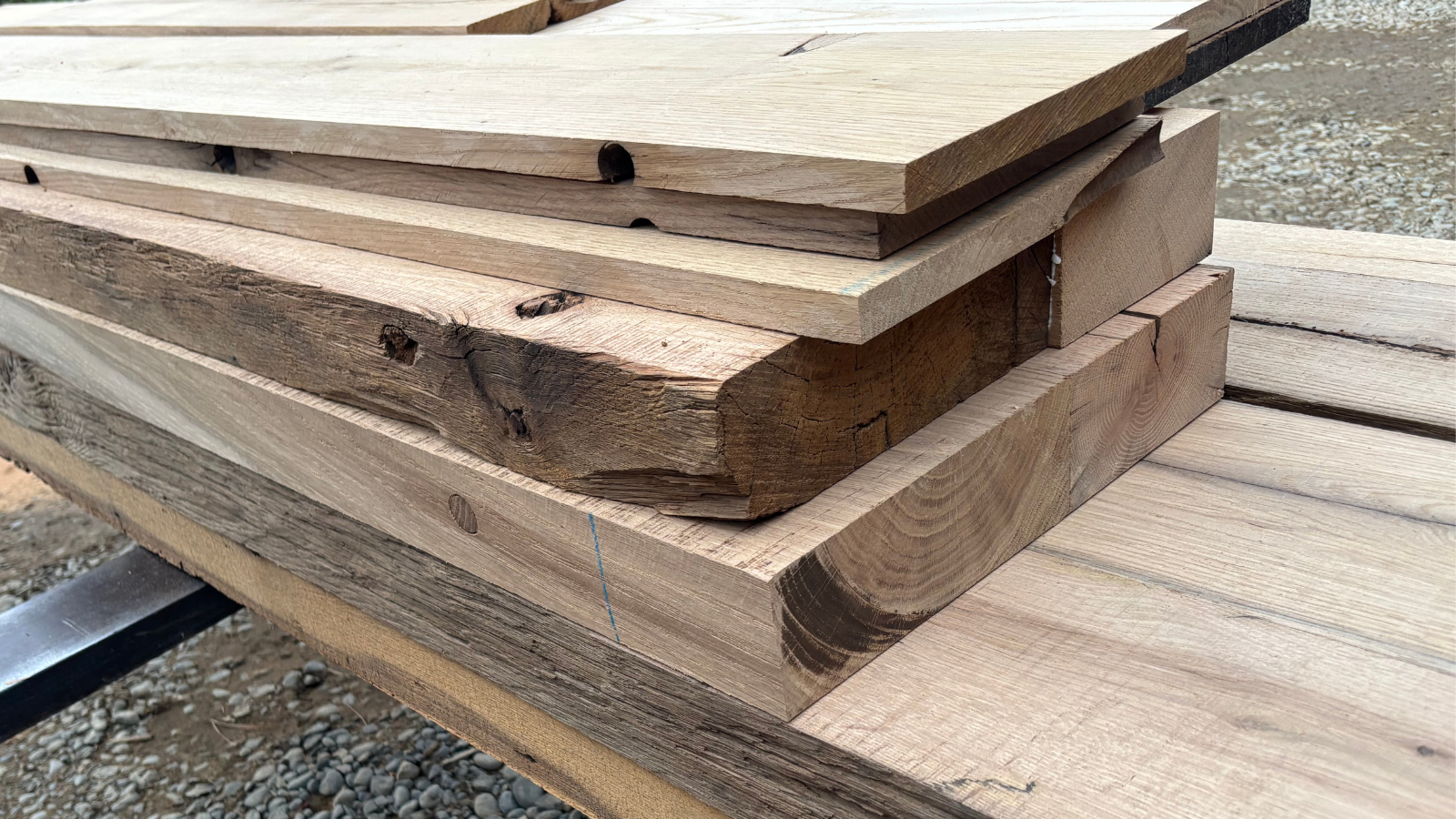
An original weathered face can be retained, while another surface may be band-sawn or dressed. Peg holes and old joints can remain visible in beams and mantels, while hand-hewn or saw marks may become part of wall linings, furniture or stairs.
How much is retained depends on the piece, its new application and the finish required.
From Europe to New Zealand
After years as part of European buildings and structures, these timbers are now being used in New Zealand homes.
Old structural beams become mantels and ceiling features. Weathered boards become wall linings and cladding. Larger pieces are reworked into stairs, furniture and joinery.
The timber has a new purpose, while many of the details from its previous use remain.
From old buildings to new homes, the history becomes part of the finished project.